
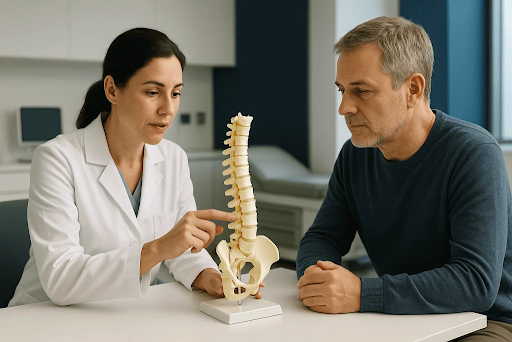
You’ve Been Told Surgery Is Your Only Option. It Probably Isn’t.
One of the most damaging beliefs I encounter is that once back pain reaches a certain point, surgery is inevitable. For a small percentage of cases involving severe nerve compression, structural instability, or progressive neurological symptoms, surgery genuinely is the right call. But for the vast majority of people struggling with chronic lower back pain, non surgical treatment for lower back pain can provide an alternative path that never got a real chance before an operation was recommended.
Why Surgery Gets Recommended Too Quickly
Our medical system is generally built to treat pain, not prevent it. When someone shows up in significant pain, the fastest visible fix is often a procedure. What frequently gets skipped is a genuine, structured attempt at addressing movement patterns, internal health, and consistency over a meaningful window of time. Many of my clients came to me after being told surgery was their next step, and avoided it entirely once we addressed the actual contributing factors.
What to Try Before Considering an Operation
- A structured movement correction plan addressing how you walk, sit, lift, and exercise, not just isolated stretches.
- An honest look at internal health, including weight, inflammation, and gut health, since an inflamed, overloaded body struggles to heal regardless of the mechanical intervention.
- A minimum 60 to 90 day commitment to a full program, since meaningful structural change rarely happens in two or three sessions.
- A second opinion from a provider who specializes in non-surgical spine rehabilitation, not just the surgeon who diagnosed you.
Questions Worth Asking Before You Agree to Surgery
- What happens if I commit to non-surgical treatment for 90 days first? What do I have to lose by trying?
- Is my pain caused by a structural issue that surgery can fix, or is it a movement and inflammation issue that surgery won’t fully resolve?
- What is the long-term success rate for this specific procedure, including the possibility of needing further surgery later?
It Is Possible to Avoid Surgery and Still Get Your Life Back
My own path started with a snowboarding injury and years of trial and error. My mission since then has been to help proactive people avoid unnecessary back surgery by teaching them to take an active role in their own recovery. It isn’t guesswork. It’s a structured system built around consistent daily habits, addressed internal health, and movement correction.
Your Next Step
If surgery has been presented as your only option, it’s worth exploring what else is possible first.
Share your story and get an honest assessment at schedule a consultation.