“But Squats Are Supposed to Be Good for You”
If you’ve been told to squat your way to a stronger back, you’re not alone, and you’re not wrong that squats can be an effective exercise. The problem is what “correctly” actually requires. In most cases, it means training like an Olympic lifter or working closely with someone who deeply understands Olympic lifting mechanics. Without that level of coaching, the risk to your lower back increases significantly.
What’s Actually Happening to Your Spine
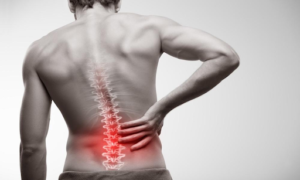
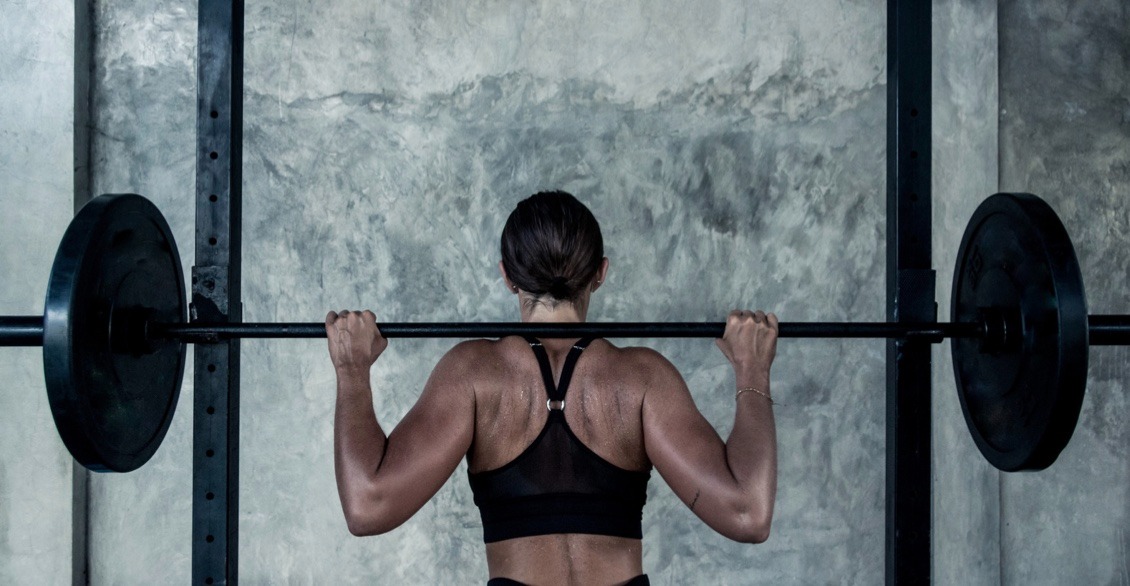
The biggest issue with back-loaded barbell squats, and even more so with front squats, is that they load the spine directly. This compresses the discs, joints, and surrounding structures. What I commonly see is someone squatting with their torso leaning forward, their knees drifting too far past their toes, and more weight on the bar than their body is prepared to handle.
In an ideal squat, the spine stays neutral, the abdomen and glutes stay engaged, the hips drive backward, the knees track over the toes, and depth stays controlled. If you’re struggling with squats and lower back pain, an improperly performed squat can worsen your condition, even though everyone around you says squats are supposed to help.
A CrossFitter Who Didn’t Want to Give Up Her Squats
One of my clients, a CrossFitter named Claire, loved the intensity of her training, but her form and loading patterns were slowly breaking down the structures in her spine. When I suggested modifying her workouts, she resisted, which is completely understandable. Being told to change what you love feels like a step backward.
I introduced her to the hex bar deadlift and coached her through it safely. After a few sessions and gradual increases in weight, she realized she wasn’t just safer, she could actually lift more while engaging the correct muscles. She felt stronger, more stable, and most importantly, pain-free. Now, when squats show up in her programming, she substitutes the hex bar or performs a visualization squat instead.
Three Safer Ways to Train Your Legs
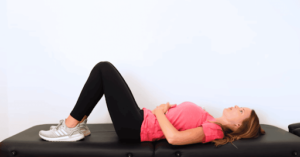
- Air Squat: A proper bodyweight squat decompresses your lower back while building strength in your glutes and abdominal muscles, the exact muscles that support your spine.
- Hex Bar Deadlift: You lift the weight from the floor instead of placing a compressive load on your back. The hex bar keeps the load centered along your midline, dramatically reducing compressive force while still building real strength.
- Visualization Technique: If you love the feeling of a heavy squat, get into position and imagine a significant load on the bar, then move through the lift as if the weight were real. Research using electromyography shows this kind of motor imagery activates real neural and muscular pathways, without the spinal compression.
Squats can help a small number of people with lower back pain, but for most, they cause more harm than good. Prioritize movements that build strength from the ground up rather than loading your spine from the top down.
Your Next Step
If squats have been part of your pain, not your progress, it’s time for a program built around how your spine actually needs to move.
Talk to us about a plan that fits your training goals: shawnrobek.com/consultation.